Empowering Patients: Using Comic Strips to Raise Cancer Awareness and Support
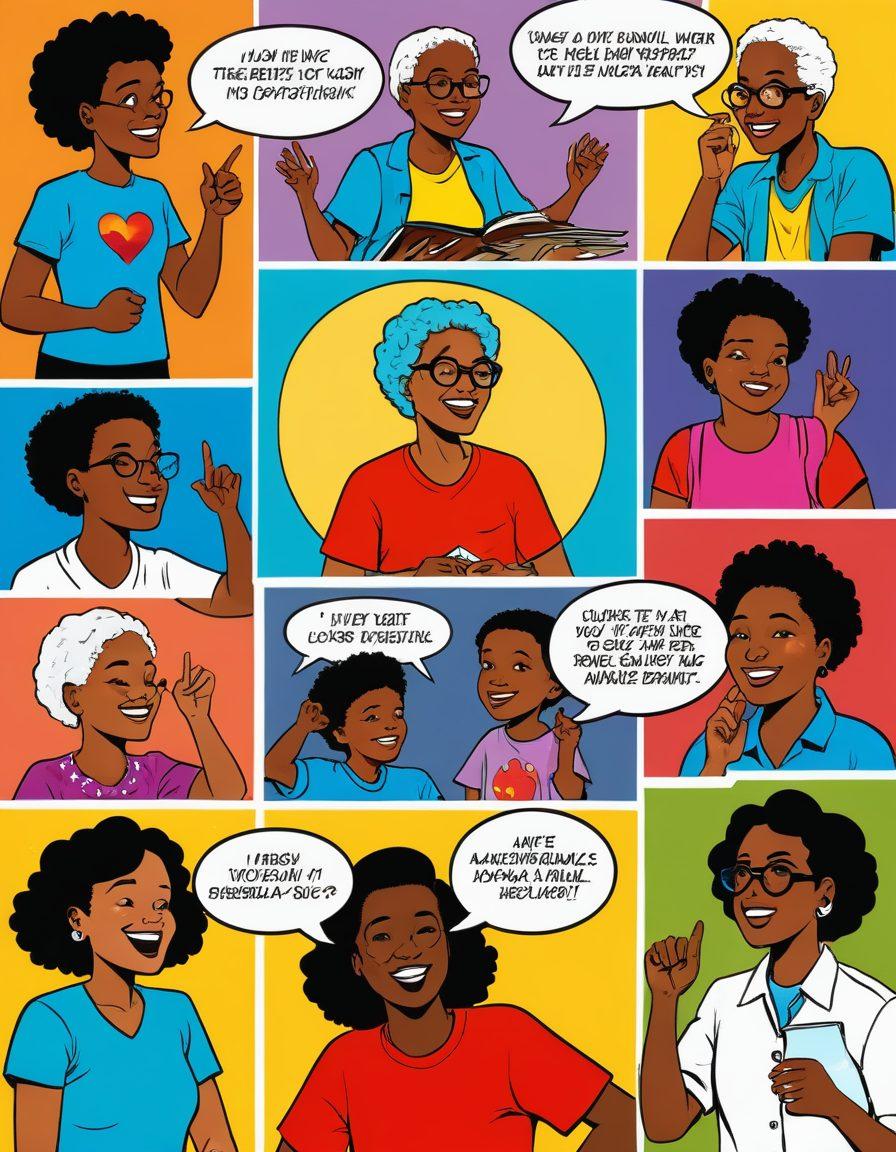
Imagine flipping through the pages of a comic book, where the heroes aren’t just in capes and masks, but are cancer patients and advocates fighting not against supervillains, but against the challenges of disease management and stigma surrounding oncology. In recent years, comic strips and graphic novels have emerged as an innovative medium for raising cancer awareness and empowering patients. This transformation in how we communicate cancer narratives not only educates individuals but also brings them closer to a supportive community, fostering a sense of well-being and resilience amongst those affected by this life-altering diagnosis.
The power of storytelling is truly incredible. It transcends age, culture, and context. When we craft narratives around cancer care using comic strips, we make the information relatable and accessible. Humor can be a healing tool, especially in the context of chemotherapy sessions or the uncertainties of immunotherapy. As one inspirational cancer survivor penned, 'Laughter may not cure cancer, but it sure helps you cope with it.' By tapping into the comic strip format, patients can see their own stories reflected, which reinforces that they’re not alone in their fight against cancer. What would happen if more patients shared their journeys through these powerful illustrations?
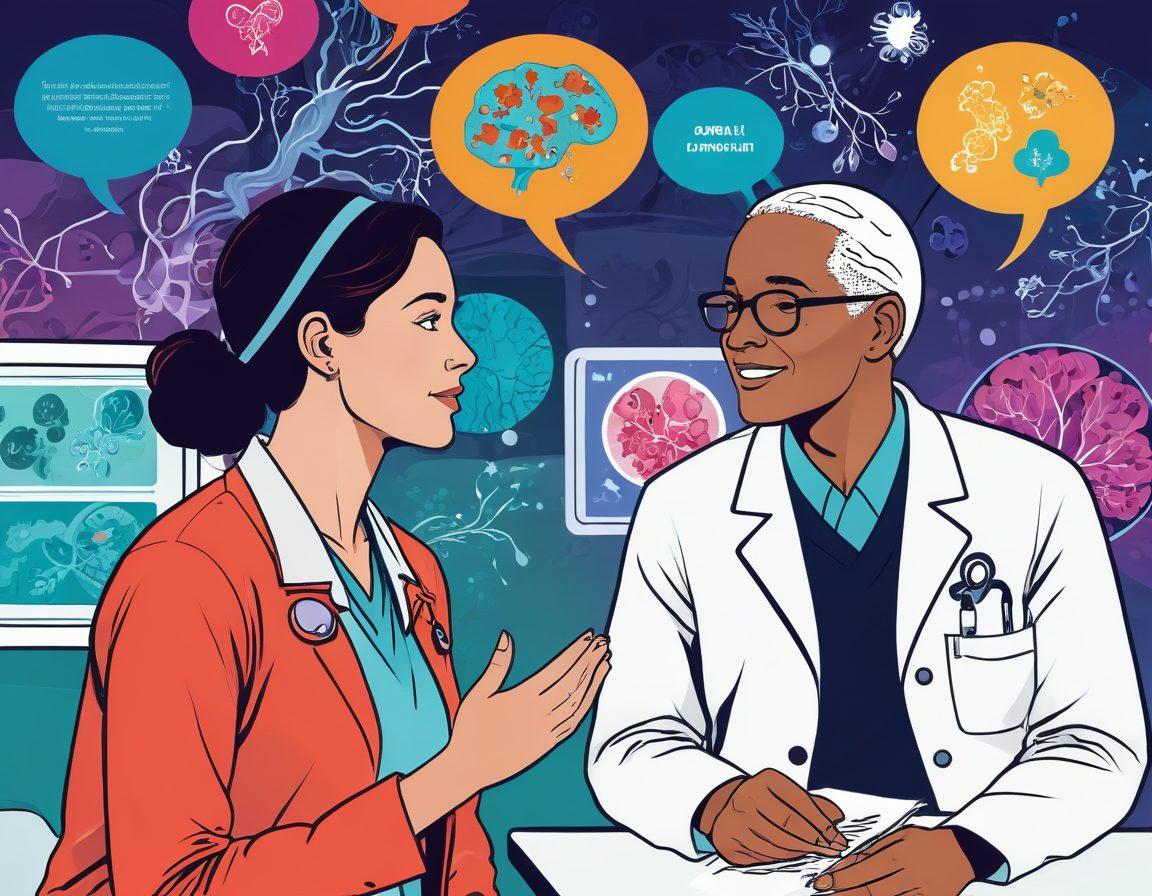
Comic strips don't just provide entertainment; they serve as crucial educational resources, enhancing health literacy. They can break down complex topics like alternative treatments, palliative care, and the principles of integrative medicine into digestible visuals that patients can easily grasp. The use of vibrant illustrations to explain difficult concepts empowers cancer patients to ask informed questions during their treatment discussions or support group meetings. Wouldn’t it be great if every hospital had these educational tools available to enhance communication between patients and their healthcare providers?
In addition to promoting understanding, comic strips foster community health by encouraging discussions around cancer survivorship. They offer a platform for stories that might otherwise go untold, bridging the gap between those experiencing cancer and those in their circle of support, including family, friends, and support groups. The relatable narratives coax conversations about feelings, fears, and victories, making it easier for cancer patients to engage openly about their journey. As we keep sharing these stories, we strengthen the foundations of patient advocacy, paving the way for improved access to healthcare resources that all patients deserve – and need.
To conclude, the advent of comic strips in the realm of cancer awareness marks a significant shift in how we perceive and discuss this global health concern. They are transforming not just the way we advocate for patients but are also creating avenues for more profound connections within our communities. And with such tools at our disposal, it only makes sense to ask ourselves: How can we further harness creativity to promote health awareness in new and exciting ways? The answer lies in each of us, in our stories, and in our shared journey towards better understanding and support for those impacted by cancer.
Visual Narratives in Healthcare: How Comics Can Bridge the Gap in Cancer Communication
Imagine being in a doctor's office, feeling overwhelmed by the medical jargon being thrown your way. Perhaps you've just learned that you have a tumor, and all you can think about is how to navigate this uncharted territory of cancer care. It might sound silly, but for many, a lighthearted comic strip or an engaging graphic novel could provide a comforting layer of understanding, bridging the daunting gap in cancer communication. Visual narratives are not just reserved for children; they're powerful tools that can enhance health literacy and promote cancer awareness for all ages, especially adults facing the complexities of oncology.
Comic strips and graphic novels have evolved to become sophisticated forms of storytelling, offering relatable narratives that resonate with cancer patients and their families. One might consider how comforting it is to see characters tackle similar struggles: dodging chemotherapy side effects or grappling with the emotional weight of survivorship. By presenting these experiences visually, healthcare resources become more digestible. As one cancer survivor candidly put it, "Sometimes, all you need is a relatable character to remind you that you're not alone in this fight. It's like sharing the burden with someone who's been there."
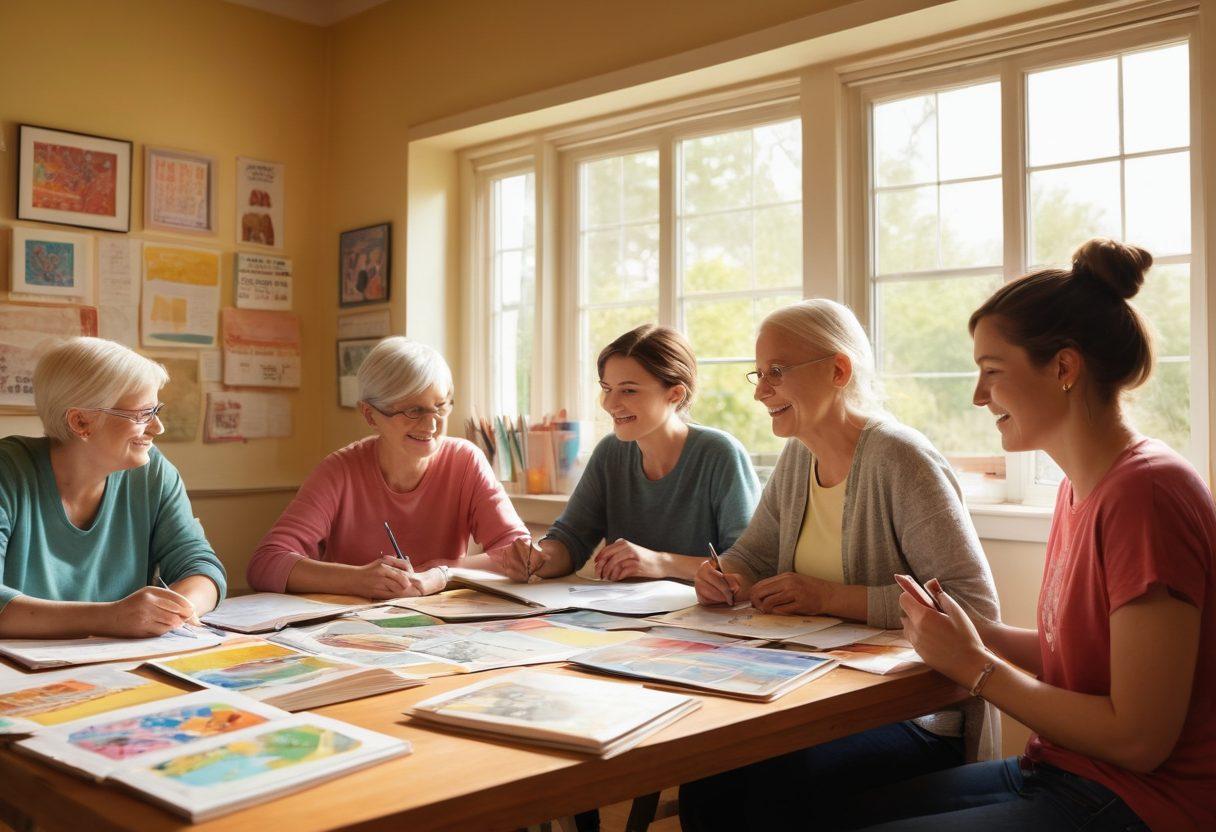
Cancer patients often find themselves feeling isolated as they undergo treatments like immunotherapy or palliative care. Support groups provide a vital space for sharing experiences, but what if we could enhance that sense of community through the medium of adult graphic literature? Picture a space where individuals can not only discuss their experiences but also delve into comics that reflect their journey. This fusion between art and healing fosters a unique avenue for connection, encouraging open conversations about treatment options, preventive health, and the emotional toll of disease management.
Furthermore, comic strips can serve as educational resources, breaking down complex topics in cancer research into bite-sized, engaging content. Could a single panel depicting a character’s triumph over their health challenges inspire readers to seek out integrative medicine or explore alternative treatments? Absolutely! These visual elements can effectively spark interest and ultimately drive patients to become more proactive in their cancer care. Health blogs that incorporate these visual narratives can significantly enhance the reader's experience and empower patients to take charge of their well-being.
By using comic strips to disseminate information about cancer care, we are not only addressing the need for better health awareness but also painting a hopeful picture for those navigating uncertainties. With the right balance of humor, relatability, and information, these visual narratives have the potential to demystify cancer therapy and foster resilience. As the comic book industry continues to grow, could we see a future where comic strips become standard educational tools in oncology units, making the fight against cancer a little less daunting? The answer appears to be an optimistic yes, opening up new pathways for patient advocacy and community health.
Empowering Through Art: Using Graphic Novels to Support Cancer Patients and Promote Well-Being
Art has always been a powerful medium for expression and communication. In the realm of healthcare, particularly oncology, it holds the potential to bridge the gap between complex medical concepts and patient understanding. Graphic novels and comic strips, often seen as mere entertainment, serve as innovative tools to raise cancer awareness and provide invaluable support to cancer patients and their families. As the world grapples with issues of health literacy, these visual narratives can engage audiences in ways that traditional education methods may not, creating a profound impact on their overall well-being.
Imagine flipping through the pages of a colorful comic strip and finding characters who face the same struggles you do. Suddenly, the journey of a cancer patient—complete with diagnosis, treatment options like chemotherapy and immunotherapy, or alternative treatments—comes to life in a relatable way. A poignant quote from a survivor can make you reflect: 'Cancer may have started the fight, but I will end it with my story.' This storytelling approach not only fosters cancer awareness but also empowers patients, reminding them that they are not alone in their battle. Such engaging narratives pave the way for cancer patients to experience catharsis and connect with their feelings, while also learning about disease management and supportive community health resources available to them.
Creating a comic strip or graphic novel focused on cancer care is not just about telling a story; it's about breaking down barriers in patient advocacy. Visual storytelling can simplify complex topics, such as tumor awareness and treatment options, making them more accessible. This educational resource can serve as a comforting hand to those navigating the maze of healthcare options. For example, integrating themes of preventive health into a character's journey could spark crucial conversations about the importance of screenings and lifestyle changes to reduce cancer risk. How can we leverage graphic literature to ensure that every cancer patient feels empowered and informed as they embark on their treatment path?
Furthermore, these stories can raise awareness about palliative care and survivorship, opening a dialogue about what life looks like after treatment. Community support groups are an essential lifeline for many, and by sharing experiences through art, patients can find solace and solidarity. Readers can see their own journeys reflected back at them, with heroes overcoming challenges through a blend of traditional and integrative medicine approaches. Isn't it fascinating to consider how even a single comic strip could influence a person's journey towards recovery and enhance their health awareness?
As the demand for cancer-related education continues to grow, innovative resources like health blogs that integrate graphic novels and comic strips into their content can reach wider audiences. By fostering this unique blend of art and healthcare, we can inspire a movement that promotes not just awareness, but understanding and compassion within our communities. The canvas of cancer care is ripe for creativity, and art may very well become the brush with which we paint a brighter future for all cancer patients. Let's not just tell our stories—let's share them in a way that empowers, educates, and heals.